The 27 EU Countries: Full List of Member States
Discover the 27 countries of the European Union with their capitals, flags, populations and year of accession. Eurozone, Schengen and interactive quiz included!
How many countries are in the European Union?
The European Union has 27 member states as of 31 January 2020, the day the United Kingdom walked out (Brexit). Together, these 27 countries are home to nearly 450 million people, 24 official languages and more than 4.1 million km² — most of the time with no internal border to cross.
It's a club, not a continent: geographic Europe counts around forty countries, and several of the best-known ones are not part of it. More on that below.
List of the 27 EU countries
Here are the 27 member states ranked by population, with their capital, area and year of accession to the Union.
| Flag | Country | Capital | Population | Area | Joined |
|---|---|---|---|---|---|
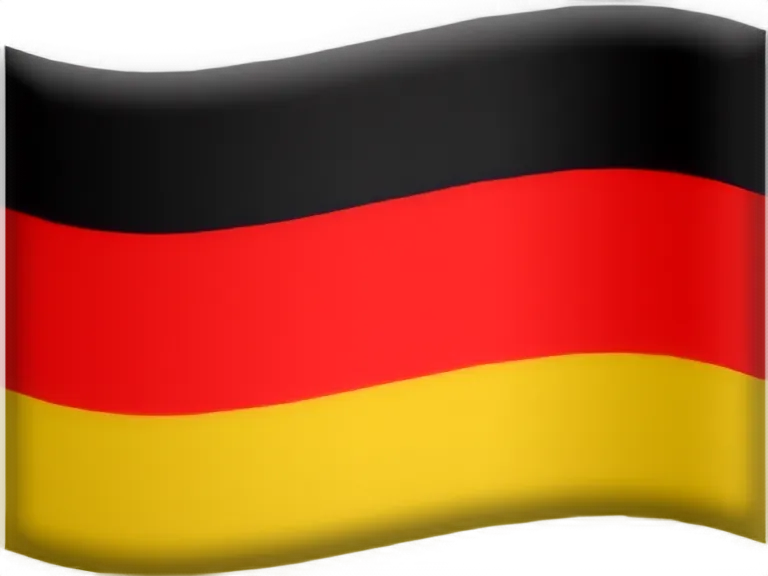 |
Germany | Berlin | 83,491,249 | 357,114 km² | 1958 |
 |
France | Paris | 66,351,959 | 543,908 km² | 1958 |
 |
Italy | Rome | 58,927,633 | 301,336 km² | 1958 |
 |
Spain | Madrid | 49,315,949 | 505,992 km² | 1986 |
 |
Poland | Warsaw | 37,392,000 | 312,679 km² | 2004 |
 |
Romania | Bucharest | 19,036,031 | 238,391 km² | 2007 |
 |
Netherlands | Amsterdam | 18,100,436 | 41,865 km² | 1958 |
 |
Belgium | Brussels | 11,825,551 | 30,528 km² | 1958 |
 |
Czechia | Prague | 10,882,341 | 78,865 km² | 2004 |
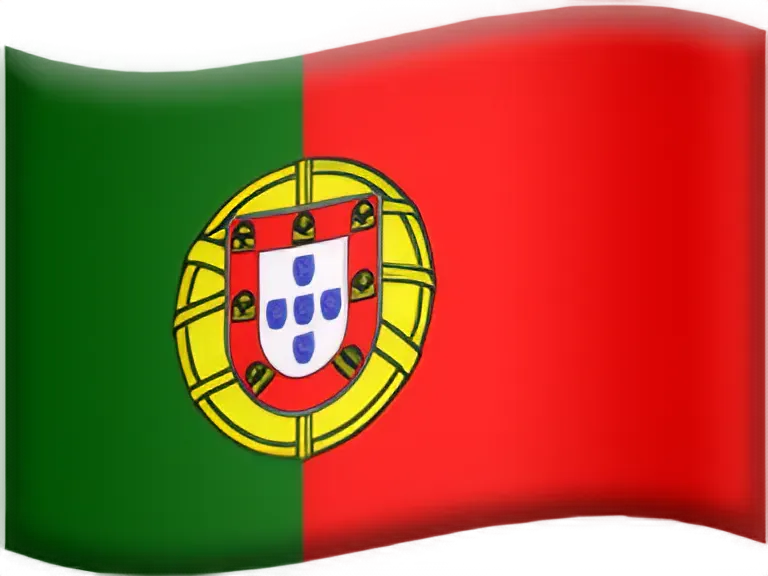 |
Portugal | Lisbon | 10,749,635 | 92,090 km² | 1986 |
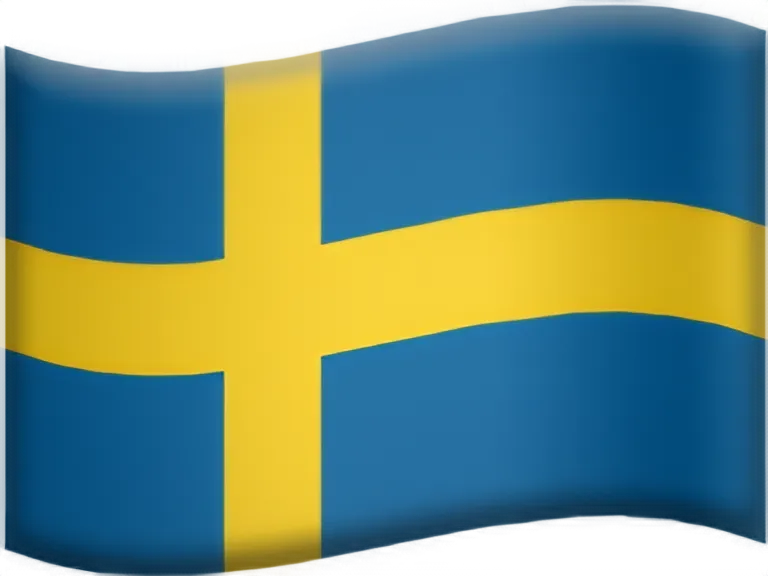 |
Sweden | Stockholm | 10,605,098 | 450,295 km² | 1995 |
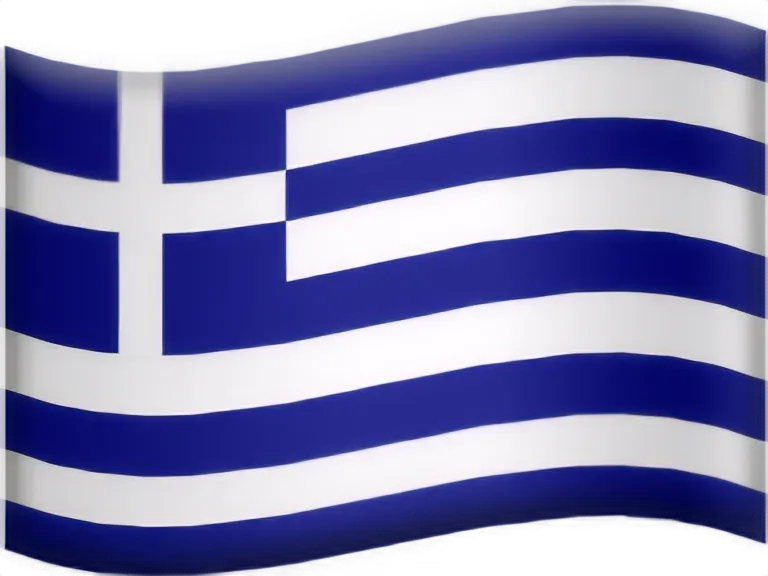 |
Greece | Athens | 10,400,720 | 131,990 km² | 1981 |
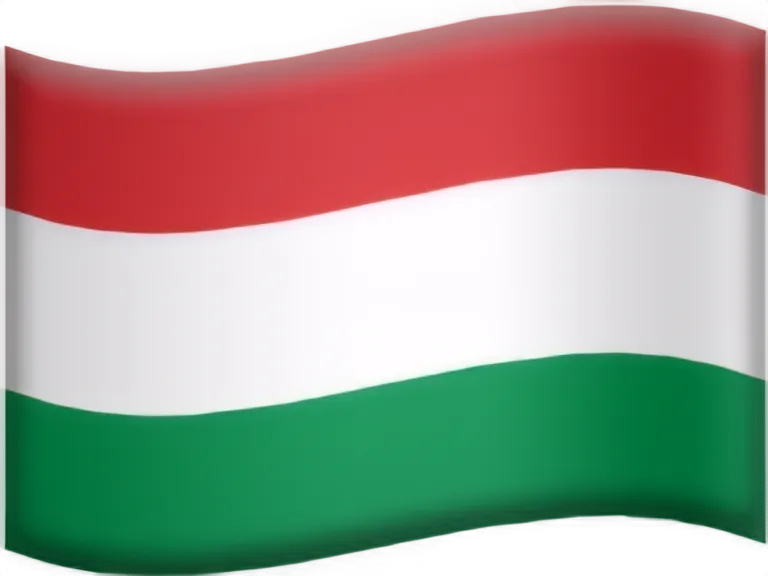 |
Hungary | Budapest | 9,539,502 | 93,028 km² | 2004 |
 |
Austria | Vienna | 9,200,931 | 83,871 km² | 1995 |
 |
Bulgaria | Sofia | 6,437,360 | 110,879 km² | 2007 |
 |
Denmark | Copenhagen | 6,011,488 | 43,094 km² | 1973 |
 |
Finland | Helsinki | 5,650,325 | 338,455 km² | 1995 |
 |
Ireland | Dublin | 5,458,600 | 70,273 km² | 1973 |
 |
Slovakia | Bratislava | 5,413,813 | 49,037 km² | 2004 |
 |
Croatia | Zagreb | 3,866,233 | 56,594 km² | 2013 |
 |
Lithuania | Vilnius | 2,894,886 | 65,300 km² | 2004 |
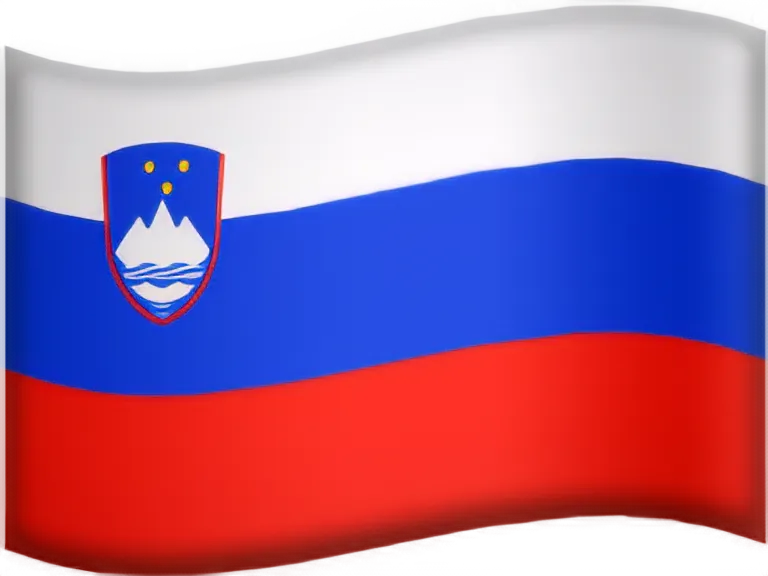 |
Slovenia | Ljubljana | 2,130,638 | 20,273 km² | 2004 |
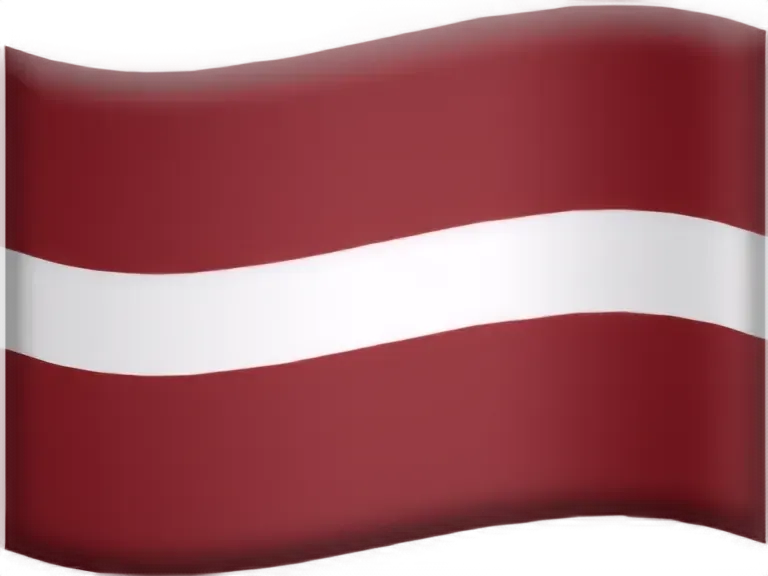 |
Latvia | Riga | 1,829,000 | 64,559 km² | 2004 |
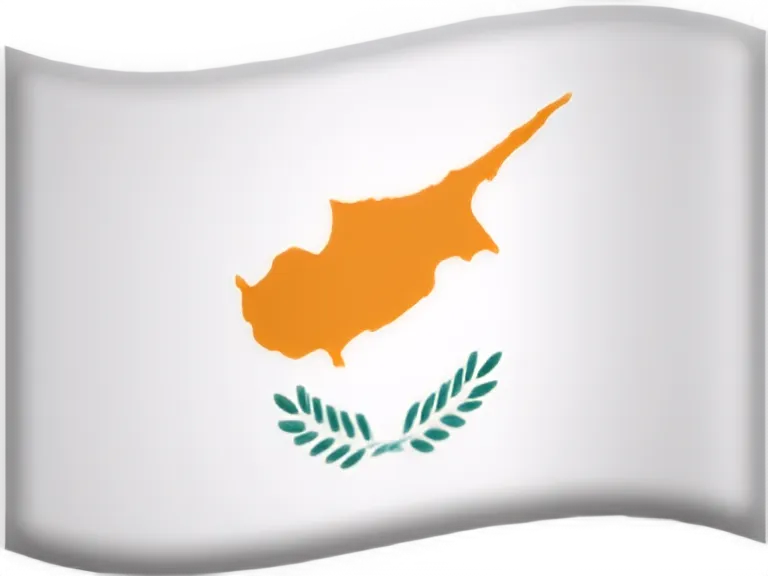 |
Cyprus | Nicosia | 1,442,614 | 9,251 km² | 2004 |
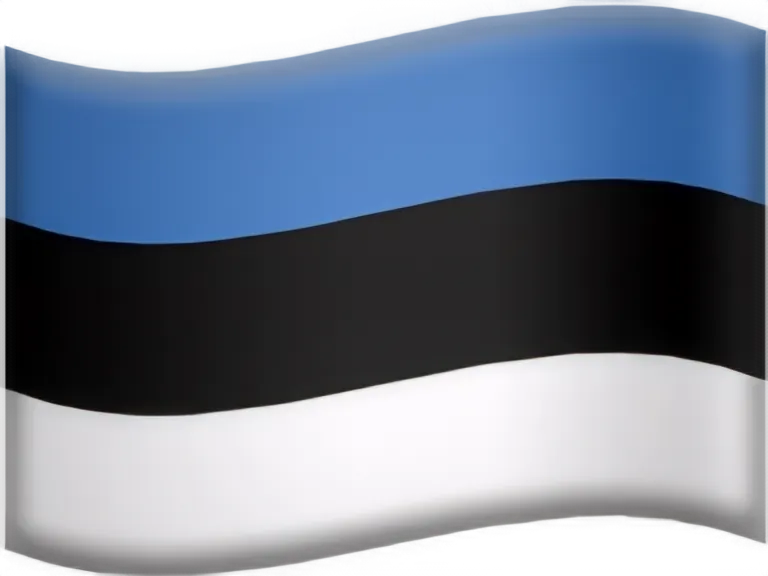 |
Estonia | Tallinn | 1,369,995 | 45,227 km² | 2004 |
 |
Luxembourg | Luxembourg City | 681,973 | 2,586 km² | 1958 |
 |
Malta | Valletta | 574,250 | 316 km² | 2004 |
The EU was built in waves: six founding members in 1958 (Germany, France, Italy, Belgium, the Netherlands, Luxembourg), a "big bang" enlargement of ten countries — mostly from Central and Eastern Europe — in 2004, and Croatia as the latest to join in 2013. The United Kingdom, for its part, left in 2020.
Records and contrasts: a club of extremes
Behind the list lie staggering gaps:
- France is 1,721 times larger than Malta (543,908 km² vs 316). Malta itself would fit more than 13,000 times inside the whole Union.
- Germany has 145 times more inhabitants than Malta — on its own, it accounts for nearly a fifth of the EU's population.
- The smallest isn't the poorest: Luxembourg, second smallest by area, has the highest GDP per capita of the 27.
- The youngest member: Croatia, which joined in 2013, is still the most recent — no new member in over a decade.
EU, eurozone and Schengen: don't mix them up
These three groups overlap without being the same:
- The European Union: 27 countries, a political and economic union.
- The eurozone: 21 EU countries have adopted the euro (since Bulgaria joined on 1 January 2026). Six keep their national currency: Denmark, Hungary, Poland, Czechia, Romania and Sweden.
- The Schengen Area: passport-free movement covers 25 of the 27 EU countries (all except Ireland and Cyprus), plus four non-member states — Iceland, Norway, Switzerland and Liechtenstein.
Misconceptions: who is (not yet) in the EU?
This is the classic geography-quiz trap. A few reminders that avoid mistakes:
- Switzerland and Norway are out — by choice. Norway rejected membership in two referendums (1972 and 1994) but stays in the single market via the European Economic Area; Switzerland froze its application after 1992 and cooperates through bilateral agreements. Both are part of the Schengen Area.
- Having the euro isn't automatic, even inside the EU. Denmark has an official opt-out; Sweden rejected it in a 2003 referendum and has stayed away ever since.
- The door is still open. Since 2022, Ukraine and Moldova have been official candidates, alongside the Western Balkans (Serbia, Montenegro, Albania…). That's where the next enlargement will play out.
To explore every country on the continent, member or not, see our page on Europe.
How to learn the countries of the European Union
Reading the list is fine; remembering it is better. And let's be honest: the only thing that really works is testing yourself again and again.
- Listing mode: find the 27 EU countries on a map, against the clock.
- Flag Quiz mode: recognize the European flags, from the French tricolour to the Maltese cross.
- MapGuessing mode: place each country as precisely as you can.
Want to go further? Browse the full list of every country in the world or revise continent by continent on our geography blog.
Written by
Creator of MapGuesser, passionate about geography and web development.
Sources
Frequently asked questions
The European Union has had 27 member states since 31 January 2020, the date the United Kingdom left the bloc (Brexit). Before that, the EU had 28 countries. Do not confuse it with the European continent, which is made up of around forty countries in total.
The 27 EU countries are: Austria, Belgium, Bulgaria, Croatia, Cyprus, Czechia, Denmark, Estonia, Finland, France, Germany, Greece, Hungary, Ireland, Italy, Latvia, Lithuania, Luxembourg, Malta, the Netherlands, Poland, Portugal, Romania, Slovakia, Slovenia, Spain and Sweden.
It depends on the criterion. By area, France is the largest EU country with 543,908 km². By population, Germany leads with around 83.5 million inhabitants.
Malta is the smallest EU country on both counts: 316 km² in area and around 574,000 inhabitants. This Mediterranean archipelago joined the Union in 2004.
The European Union is a political and economic union of 27 countries. The eurozone is made up of the 21 EU countries that have adopted the euro. The Schengen Area allows free movement without border checks: it includes 25 of the 27 EU countries (all except Ireland and Cyprus) plus four non-member states such as Switzerland and Norway.
The most effective method is repetition with interactive quizzes. On MapGuesser, Listing mode asks you to find the 27 EU countries on a map, Flag Quiz tests your knowledge of the flags, and MapGuessing mode has you place each country as precisely as possible.