A
B
C
D
E
F
G
H
I
J
K
L
M
N
O
P
Q
R
S
T
U
V
W
Z
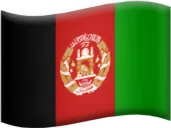
Afeganistão
The tricolor represents the nation's turbulent history: black for the past, red for bloodshed, and green for Islam and prosperity.
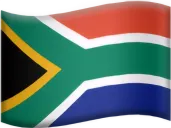
África do Sul
The national flag of South Africa was designed in March 1994 and adopted on 27 April 1994, during South Africa's 1994 general election, to replace ...

Albânia
The double-headed black eagle on red dates back to the 15th-century hero Skanderbeg, symbolizing Albanian resistance against the Ottoman Empire.
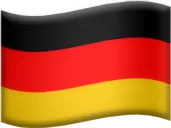
Alemanha
The national flag of Germany is a tricolour consisting of three equal horizontal bands displaying the national colours of Germany: black, red, and ...

Andorra
The blue, yellow, and red tricolor combines French and Spanish colors, reflecting its position between and co-principality under both nations.
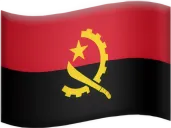
Angola
Red symbolizes blood shed during independence, black represents Africa, and the machete and cogwheel emblem honors workers and peasants.
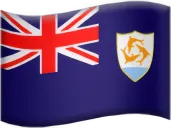
Anguila
The flag features a British Blue Ensign with the coat of arms showing three dolphins, representing friendship and endurance.

Antártida
The unofficial flag shows a white continent on blue background, representing the ice-covered landmass and its international, peaceful scientific mission.
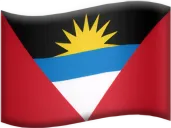
Antígua e Barbuda
The rising sun represents a new era, black for African heritage, blue for the sea, and red symbolizes the dynamism of the people.
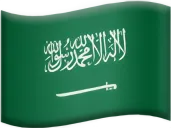
Arábia Saudita
The national flag of Saudi Arabia is a green background with Arabic inscription and a sword in white.
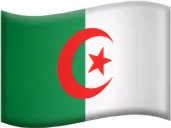
Argélia
The national flag of Algeria consists of two equal vertical bars, green and white, charged in the center with a red star and crescent, a symbol of ...
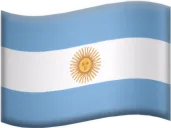
Argentina
The light blue and white stripes were inspired by the sky and clouds, with the Sun of May commemorating Argentina's independence revolution.
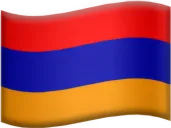
Armênia
Red represents the blood shed for independence, blue symbolizes the Armenian sky, and orange represents the courage and creative spirit of the nation.

Aruba
Blue represents the sea and sky, yellow the gold and tourism industry, with a red star symbolizing the island's diverse origins.

Austrália
The Union Jack represents British heritage, the Southern Cross constellation shows its location, and the Federation Star symbolizes the six states.

Áustria
One of the world's oldest flags, legend says Duke Leopold V's white tunic was soaked in blood during the Crusades, leaving only the belt area white.
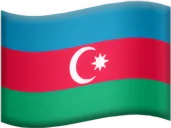
Azerbaijão
The national flag of Azerbaijan often referred to as the tricolor flag, is a horizontal tricolor that features three equally sized bars of bright b...
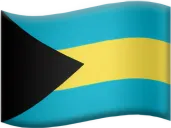
Bahamas
The national flag of the Commonwealth of The Bahamas consists of a black triangle situated at the hoist with three horizontal bands: aquamarine, go...

Bahrein
The flag of Bahrain consists of a white band on the left, separated from a red area on the right by five triangles that serve as a serrated line.

Bangladesh
The national flag of Bangladesh, nicknamed the Lal–Sobuj, was adopted officially on 17 January 1972.

Barbados
The flag of Barbados was designed by Grantley W.

Bélgica
The national flag of the Kingdom of Belgium is a tricolour consisting of three equal vertical bands displaying the national colours: black, yellow...
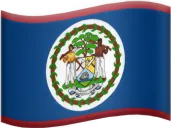
Belize
The flag of Belize was adopted on 21 September 1981, the day Belize became independent.

Benin
The national flag of Benin is a flag consisting of two horizontal yellow and red bands on the fly side and a green vertical band at the hoist.
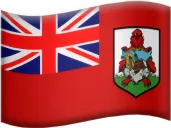
Bermudas
The flag of the British Overseas Territory of Bermuda as a red ensign was first adopted on 4 October 1910.
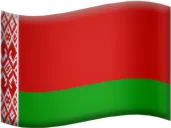
Bielorrússia
The national flag of Belarus is an unequal red-green bicolour with a red-on-white ornament pattern placed at the hoist (staff) end.
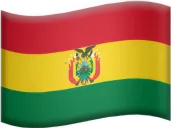
Bolívia
The national flag of the Plurinational State of Bolivia was originally adopted in 1851.

Bonaire, Sint Eustatius e Saba
The national flag of the Netherlands is a horizontal tricolour of red, white, and blue.

Bósnia e Herzegovina
The national flag of Bosnia and Herzegovina contains a medium blue field with a yellow right triangle separating said field, and there are seven fu...

Botsuana
The national flag of Botswana consists of a sky blue field cut horizontally in the centre by a black stripe with a thin white frame.

Brasil
The national flag of Brazil is a blue disc depicting a starry sky spanned by a curved band inscribed with the national motto Ordem e Progresso, wit...
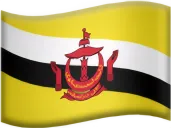
Brunei
The national flag of Brunei holds deep historical and symbolic significance, reflecting the nation's royal heritage and unity.

Bulgária
The national flag of the Republic of Bulgaria is a tricolour consisting of three equal-sized horizontal bands of white, green, and red.
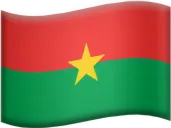
Burquina Faso
The national flag of Burkina Faso is formed by two equal horizontal bands of red (top) and green, with a yellow five-pointed star resting in the ce...
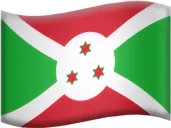
Burúndi
The original national flag of Burundi was adopted after the Burundian independence from Belgium on 1 July 1962.
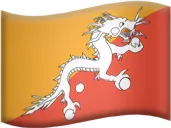
Butão
The national flag of Bhutan is one of the national symbols of Bhutan.

Cabo Verde
The national flag of Cape Verde was adopted on 22 September 1992, replacing the flag adopted during independence.
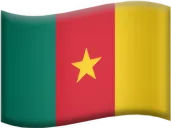
Camarões
The national flag of Cameroon was adopted in its present form on 20 May 1975 after Cameroon became a unitary state.
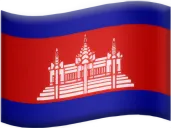
Camboja
The flag of Cambodia (ទង់ជាតិកម្ពុជា) or the Khmer flag (ទង់ជាតិខ្មែរ) in its present form was originally adopted in 1948 and readopted in 1993, af...

Canadá
The National flag of Canada, popularly referred to as the Maple Leaf, consists of a red field with a white square at its centre in the ratio of 1∶2...
Fonte das informações sobre bandeiras: Wikipédia
Pesquisa, clica, aprende
O Atlas do MapGuesser é uma ferramenta interativa e gratuita para explorares a geografia do mundo ao teu ritmo, sem cadastro. Percorre um mapa mundial clicável, procura um país, um mar, um departamento ou uma região francesa e abre a ficha detalhada: capital, bandeira, continente, área, população e história. Sem cronômetro nem classificação — é uma enciclopédia para consultar, ideal para preparar um jogo cronometrado ou rever antes de um exame.
O que podes consultar
- Países: todos os países do mundo, clicáveis no mapa, com capital, continente e bandeira.
- Mares e oceanos: localiza os principais mares, estreitos e oceanos do globo.
- Bandeiras: percorre mais de 200 bandeiras nacionais e descobre a sua história.
- Regiões francesas: as 18 regiões de França, metrópole e ultramar.
- Departamentos: os 101 departamentos franceses, o seu número e a sua capital.