A
B
C
D
E
F
G
H
I
J
K
L
M
N
O
P
R
S
T
U
V
W
Z
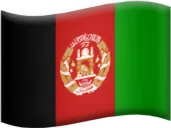
Afghanistan
The tricolor represents the nation's turbulent history: black for the past, red for bloodshed, and green for Islam and prosperity.

Ägypten
The national flag of Egypt is a tricolour consisting of the three equal horizontal red, white, and black bands of the Arab Liberation Flag that dat...
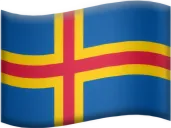
Åland
A Nordic cross combining Swedish blue-yellow colors within a red cross on blue background, reflecting its Swedish heritage under Finnish sovereignty.

Albanien
The double-headed black eagle on red dates back to the 15th-century hero Skanderbeg, symbolizing Albanian resistance against the Ottoman Empire.
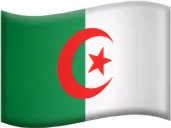
Algerien
The national flag of Algeria consists of two equal vertical bars, green and white, charged in the center with a red star and crescent, a symbol of ...

Amerikanisch-Samoa
The flag features a bald eagle clutching a fly whisk and a war club, traditional symbols of Samoan chiefs.

Amerikanische Jungferninseln
The flag of the United States Virgin Islands was adopted on May 17, 1921.

Andorra
The blue, yellow, and red tricolor combines French and Spanish colors, reflecting its position between and co-principality under both nations.

Angola
Red symbolizes blood shed during independence, black represents Africa, and the machete and cogwheel emblem honors workers and peasants.
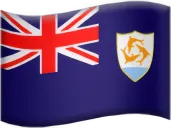
Anguilla
The flag features a British Blue Ensign with the coat of arms showing three dolphins, representing friendship and endurance.

Antarktika
The unofficial flag shows a white continent on blue background, representing the ice-covered landmass and its international, peaceful scientific mission.
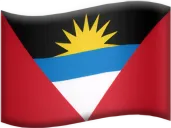
Antigua und Barbuda
The rising sun represents a new era, black for African heritage, blue for the sea, and red symbolizes the dynamism of the people.
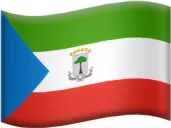
Äquatorialguinea
The flag of Equatorial Guinea was adopted on August 21, 1979.

Argentinien
The light blue and white stripes were inspired by the sky and clouds, with the Sun of May commemorating Argentina's independence revolution.

Armenien
Red represents the blood shed for independence, blue symbolizes the Armenian sky, and orange represents the courage and creative spirit of the nation.

Aruba
Blue represents the sea and sky, yellow the gold and tourism industry, with a red star symbolizing the island's diverse origins.
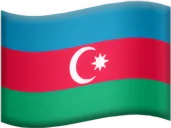
Aserbaidschan
The national flag of Azerbaijan often referred to as the tricolor flag, is a horizontal tricolor that features three equally sized bars of bright b...
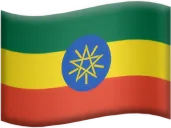
Äthiopien
The flag of Ethiopia consists of a green, yellow, and red tricolour with the national emblem, a golden pentagram on a blue disc, superimposed at th...

Australien
The Union Jack represents British heritage, the Southern Cross constellation shows its location, and the Federation Star symbolizes the six states.
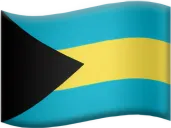
Bahamas
The national flag of the Commonwealth of The Bahamas consists of a black triangle situated at the hoist with three horizontal bands: aquamarine, go...

Bahrain
The flag of Bahrain consists of a white band on the left, separated from a red area on the right by five triangles that serve as a serrated line.

Bangladesch
The national flag of Bangladesh, nicknamed the Lal–Sobuj, was adopted officially on 17 January 1972.

Barbados
The flag of Barbados was designed by Grantley W.

Belarus
The national flag of Belarus is an unequal red-green bicolour with a red-on-white ornament pattern placed at the hoist (staff) end.

Belgien
The national flag of the Kingdom of Belgium is a tricolour consisting of three equal vertical bands displaying the national colours: black, yellow...
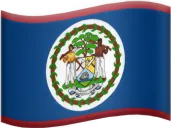
Belize
The flag of Belize was adopted on 21 September 1981, the day Belize became independent.

Benin
The national flag of Benin is a flag consisting of two horizontal yellow and red bands on the fly side and a green vertical band at the hoist.
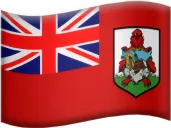
Bermuda
The flag of the British Overseas Territory of Bermuda as a red ensign was first adopted on 4 October 1910.

Bhutan
The national flag of Bhutan is one of the national symbols of Bhutan.

Bolivien
The national flag of the Plurinational State of Bolivia was originally adopted in 1851.

Bonaire, Sint Eustatius und Saba
The national flag of the Netherlands is a horizontal tricolour of red, white, and blue.

Bosnien und Herzegowina
The national flag of Bosnia and Herzegovina contains a medium blue field with a yellow right triangle separating said field, and there are seven fu...

Botswana
The national flag of Botswana consists of a sky blue field cut horizontally in the centre by a black stripe with a thin white frame.

Bouvetinsel
The national flag of Norway is red with a navy blue Scandinavian cross bordered in white that extends to the edges of the flag; the vertical part o...

Brasilien
The national flag of Brazil is a blue disc depicting a starry sky spanned by a curved band inscribed with the national motto Ordem e Progresso, wit...
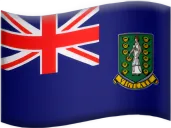
Britische Jungferninseln
The flag of the British Virgin Islands was adopted by Royal Warrant on 15 November 1960 after the islands were made into a separate British colony.
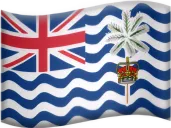
Britisches Territorium im Indischen Ozean
The flag of the British Indian Ocean Territory is similar to the flags of other British dependencies and colonies as it has the Union Flag in the u...
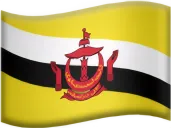
Brunei
The national flag of Brunei holds deep historical and symbolic significance, reflecting the nation's royal heritage and unity.

Bulgarien
The national flag of the Republic of Bulgaria is a tricolour consisting of three equal-sized horizontal bands of white, green, and red.
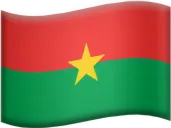
Burkina Faso
The national flag of Burkina Faso is formed by two equal horizontal bands of red (top) and green, with a yellow five-pointed star resting in the ce...
Quelle der Flaggeninformationen: Wikipedia
Suchen, klicken, lernen
Der Atlas von MapGuesser ist ein kostenloses, interaktives Werkzeug, um die Weltgeografie in deinem eigenen Tempo zu erkunden, ohne Anmeldung. Durchstöbere eine anklickbare Weltkarte, suche nach einem Land, einem Meer, einem französischen Departement oder einer Region und öffne dann den detaillierten Steckbrief: Hauptstadt, Flagge, Kontinent, Fläche, Bevölkerung und Geschichte. Keine Stoppuhr, keine Rangliste — es ist ein Nachschlagewerk, ideal zur Vorbereitung auf ein Spiel gegen die Zeit oder zum Wiederholen vor einer Prüfung.
Was du nachschlagen kannst
- Länder: alle Länder der Welt, anklickbar auf der Karte, mit Hauptstadt, Kontinent und Flagge.
- Meere und Ozeane: Finde die wichtigsten Meere, Meerengen und Ozeane der Welt.
- Flaggen: Durchstöbere über 200 Nationalflaggen und entdecke ihre Geschichte.
- Französische Regionen: die 18 Regionen Frankreichs, Mutterland und Übersee.
- Departements: die 101 französischen Departements, ihre Nummer und ihre Hauptstadt.